
Leave Your Message
-
Contact Phone
-
 Contact Email
Advanced protection engineered for science, industry, and food safety — trusted by professionals in 100+ countries worldwide.
?? ISO Certified ?|? 10 Billion Pieces Annual Output ?|? 20+ Years ExpertisePrecision-engineered nitrile gloves designed for laboratory research, chemical handling, food processing, and industrial protection.
Nitrile butadiene rubber (NBR) gloves have rapidly displaced latex and vinyl alternatives across laboratory research environments and chemical processing industries. Their superior resistance to a broad spectrum of chemicals — including acids, bases, solvents, and oils — makes them indispensable for scientists, technicians, and food safety inspectors alike.
In food-grade laboratory settings, nitrile gloves meet stringent FDA 21 CFR and EU Regulation 10/2011 food contact standards, making them suitable for both analytical testing and direct food handling. Their powder-free formulation prevents contamination of sensitive samples, chemical reagents, and food products — a critical requirement in modern quality assurance workflows.
As regulatory bodies worldwide tighten standards for personal protective equipment (PPE) in research and chemical environments, nitrile gloves have become the default choice for compliance-conscious organizations seeking reliable, cost-effective hand protection.
Nitrile provides excellent resistance to acetone, ethanol, methanol, hydrochloric acid, sulfuric acid, and many organic solvents — far outperforming vinyl in laboratory conditions.
Engineered to maintain flexibility and integrity across a wide temperature range, nitrile gloves are suitable for cold storage labs, cleanrooms, and high-temperature processing environments.
Thin-gauge nitrile formulations deliver exceptional tactile feedback — essential for pipetting, sample preparation, microscopy, and delicate chemical titration procedures.
Six critical performance attributes that make nitrile the preferred choice for demanding scientific and industrial applications.
Tested against hundreds of chemical compounds including common laboratory solvents, disinfectants, and industrial chemicals — providing reliable barrier protection.
Eliminates contamination risks in sensitive laboratory environments. Powder-free construction prevents interference with analytical instruments and biological samples.
100% latex-free formulation eliminates Type I hypersensitivity reactions — critical for healthcare, food lab, and pharmaceutical research personnel.
Symmetrical design with textured fingertips ensures a secure grip on laboratory glassware, chemical containers, and precision instruments.
Certified to FDA, CE, ISO 13485, EN 455, and EN 374 standards — meeting the regulatory requirements of medical, food, and industrial applications globally.
Produced under ISO 14001 environmental management systems with reduced solvent emissions and optimized material usage across all production lines.
The nitrile glove industry is undergoing rapid transformation driven by regulatory evolution, post-pandemic demand shifts, and technological innovation.
The global disposable nitrile glove market was valued at over USD 12.4 billion in 2023 and is projected to exceed USD 22 billion by 2030, driven by heightened safety awareness across laboratory, food processing, and chemical industries. Asia-Pacific manufacturers — particularly in China — are scaling production capacity to meet surging international demand while maintaining competitive pricing through automation.
Leading manufacturers are investing heavily in automated production lines, AI-driven quality control systems, and real-time defect detection technologies. This industrial consolidation is reducing per-unit costs while simultaneously improving consistency and compliance. Companies with vertically integrated supply chains — controlling raw material sourcing through final packaging — are gaining significant competitive advantages in global tender processes.
Regulatory bodies including the US FDA, European ECHA, and China's NMPA are progressively strengthening requirements for PPE used in food contact and chemical environments. EN 374-2 chemical permeation testing, ASTM D6319 standards for industrial nitrile gloves, and FDA 21 CFR food contact compliance are now baseline requirements for procurement in developed markets, creating significant barriers to entry and rewarding established certified manufacturers.
Next-generation nitrile formulations are incorporating nano-composite additives to enhance puncture resistance by up to 40% without sacrificing tactile sensitivity. Antimicrobial nitrile compounds, biodegradable nitrile alternatives, and ultra-thin high-barrier formulations are emerging from R&D pipelines, positioning the nitrile glove category for continued relevance as laboratory and food safety standards evolve toward 2030 and beyond.
Nitrile food gloves serve far more than basic hand protection — they are precision safety instruments across these critical professional environments.
In pharmaceutical R&D environments, nitrile gloves are essential for handling cytotoxic compounds, biological specimens, and active pharmaceutical ingredients (APIs). Their chemical impermeability prevents dermal absorption of potent drug substances, while their powder-free construction avoids contamination of cell cultures, PCR reactions, and HPLC samples. GMP-compliant nitrile gloves certified to ISO 13485 and EN 455 are mandatory in cleanroom environments where even trace contamination can invalidate months of research data.
Food safety laboratories conducting microbiological analysis, pesticide residue testing, allergen detection, and nutritional profiling require gloves that simultaneously meet food contact safety standards and chemical resistance requirements. Nitrile gloves certified to FDA 21 CFR and EU Regulation 10/2011 enable technicians to handle food samples, reagents, and analytical standards without risk of cross-contamination or chemical exposure. Their blue coloration also serves as a critical visual contamination control tool in food processing environments.
Workers in chemical synthesis, petrochemical processing, and industrial manufacturing face daily exposure to corrosive acids, caustic bases, flammable solvents, and toxic intermediates. Heavy-duty nitrile gloves with extended cuffs and enhanced wall thickness (8–10 mil) provide the necessary barrier protection for tasks including chemical transfer, reactor loading, waste handling, and equipment maintenance. EN 374-certified nitrile gloves are specified in chemical plant PPE programs worldwide as the baseline hand protection standard.
The electronics industry demands gloves that prevent electrostatic discharge (ESD), resist chemical etchants like hydrofluoric acid and piranha solution, and maintain cleanroom class 100/ISO 5 compatibility. Specialized nitrile formulations with carbon-black ESD properties or low-ion-extractable compositions are used in wafer fabrication, PCB assembly, and optical component handling. The combination of chemical resistance and contamination control makes nitrile the preferred material for semiconductor fab environments globally.
Research agronomists and field technicians working with herbicides, fungicides, insecticides, and fertilizer formulations rely on nitrile gloves for dermal protection against organophosphate compounds, pyrethroids, and systemic pesticides. Nitrile's resistance to oil-based formulations and its durability under field conditions — including UV exposure and mechanical abrasion — make it significantly superior to vinyl alternatives in agricultural chemical handling scenarios.
Forensic laboratories and field investigation teams use nitrile gloves to maintain chain-of-custody integrity for biological evidence, controlled substances, and trace chemical samples. The low-protein, powder-free formulation prevents DNA contamination of evidence — a critical requirement for court-admissible forensic analysis. Nitrile's resistance to common biological fluids and chemical fixatives (formalin, glutaraldehyde) makes it the standard PPE for forensic pathology and toxicology departments worldwide.
From sterile operating theaters to food production lines — Cureguard nitrile gloves deliver certified protection where it matters most.
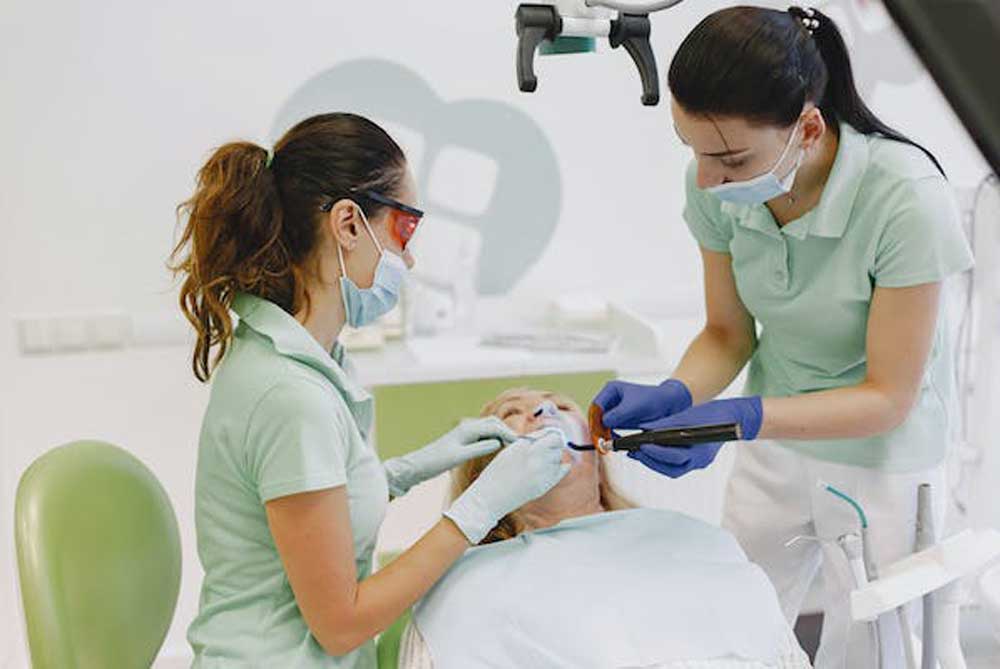
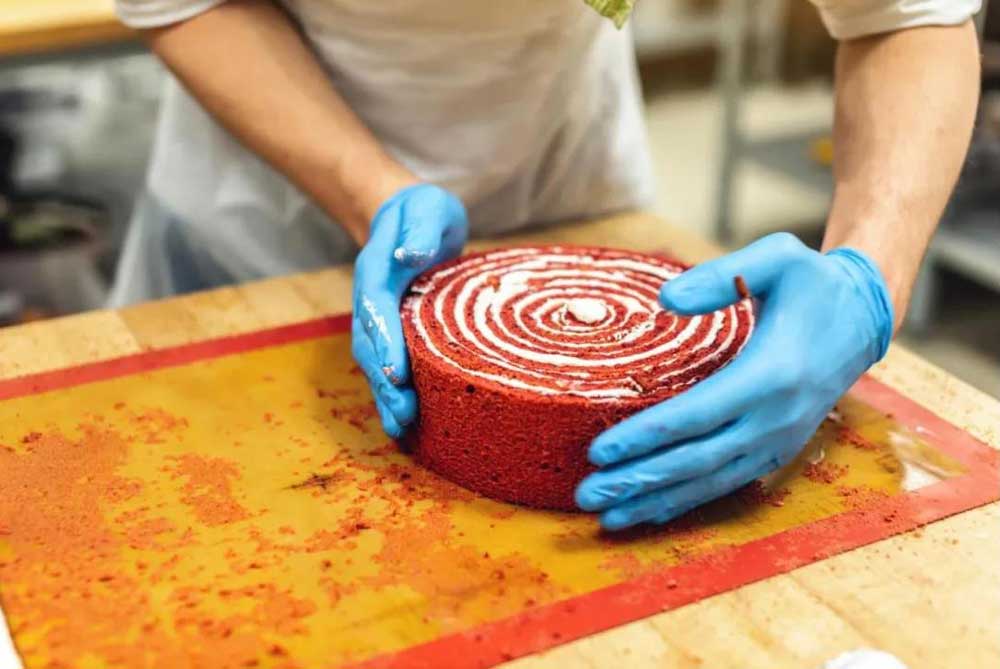
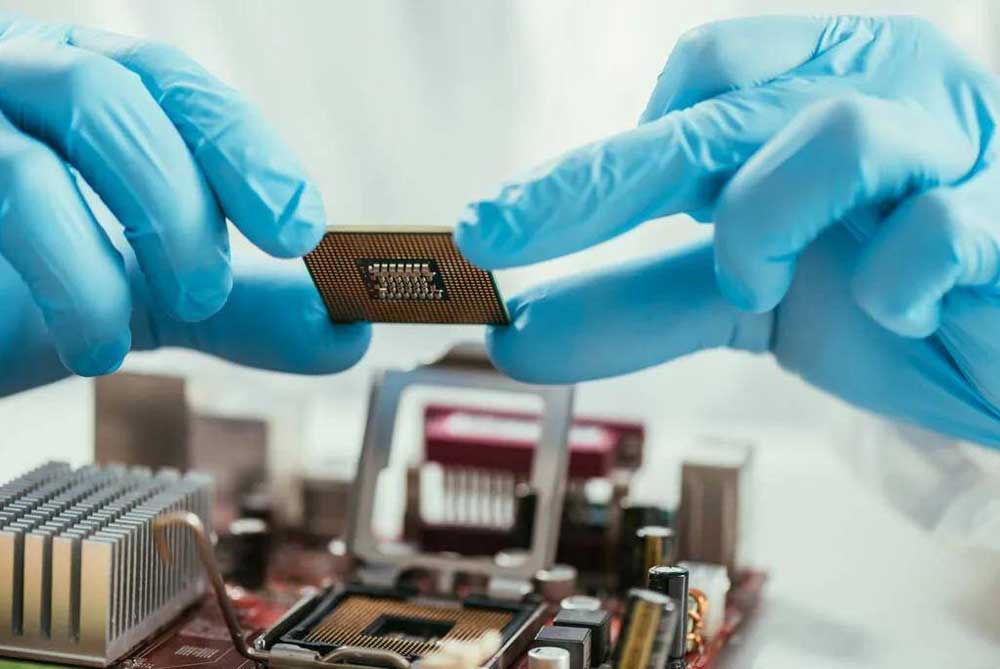
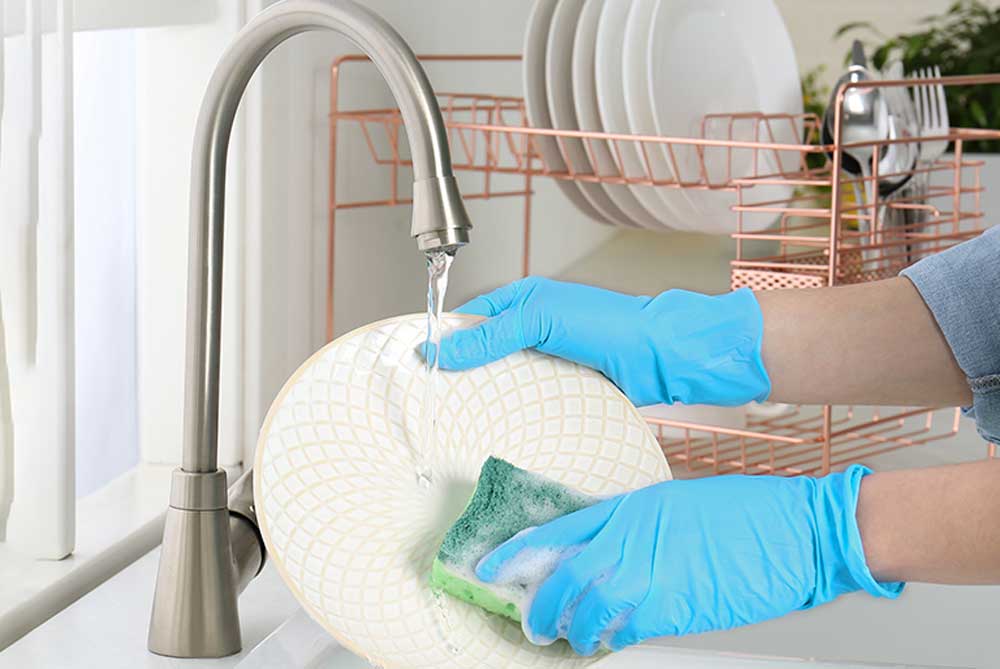
Our most trusted nitrile and vinyl glove solutions — chosen by laboratories, food processors, and medical professionals worldwide.
Explore our comprehensive range of disposable nitrile, vinyl, and reusable gloves — engineered for every professional environment.
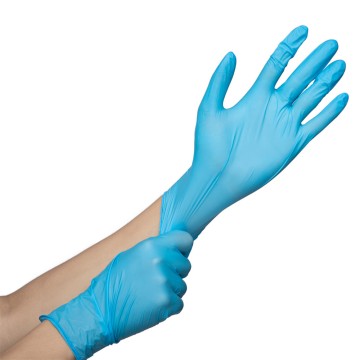
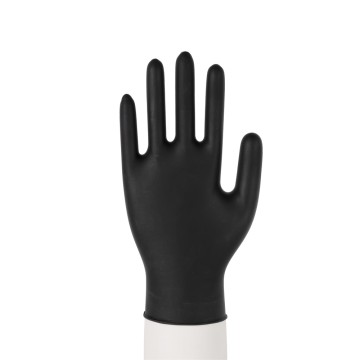
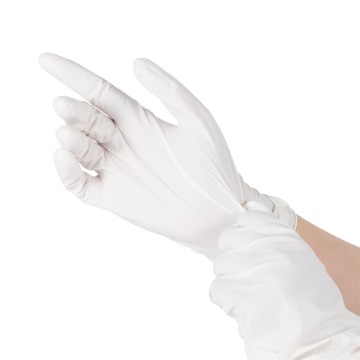
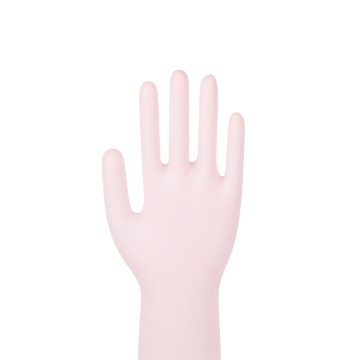
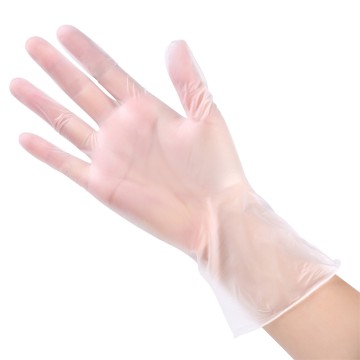
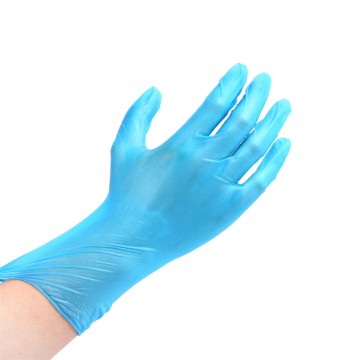
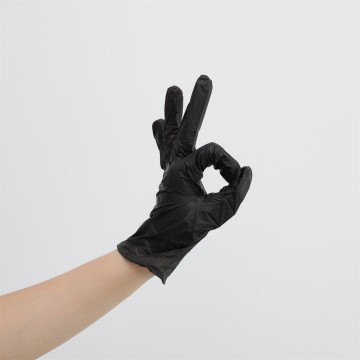

Established in 2006 and headquartered in Jiangsu Province, China, Cureguard Glove Group is specialized in glove manufacturing for over 20 years.
We own over 60 production lines dedicated to disposable vinyl and nitrile gloves, and reusable vinyl gloves with an annual output exceeding 10 billion pieces. We supply various kinds of gloves to customers in more than 100 countries and regions worldwide.
We roll out different series of products to address various routine scenario needs, such as medical examination, food contact, electronic industry, and household use — with a growing focus on laboratory research and chemical safety applications that demand the highest standards of material performance and regulatory compliance.
Learn More About Us


Our comprehensive certification portfolio validates our commitment to quality, safety, and environmental responsibility.
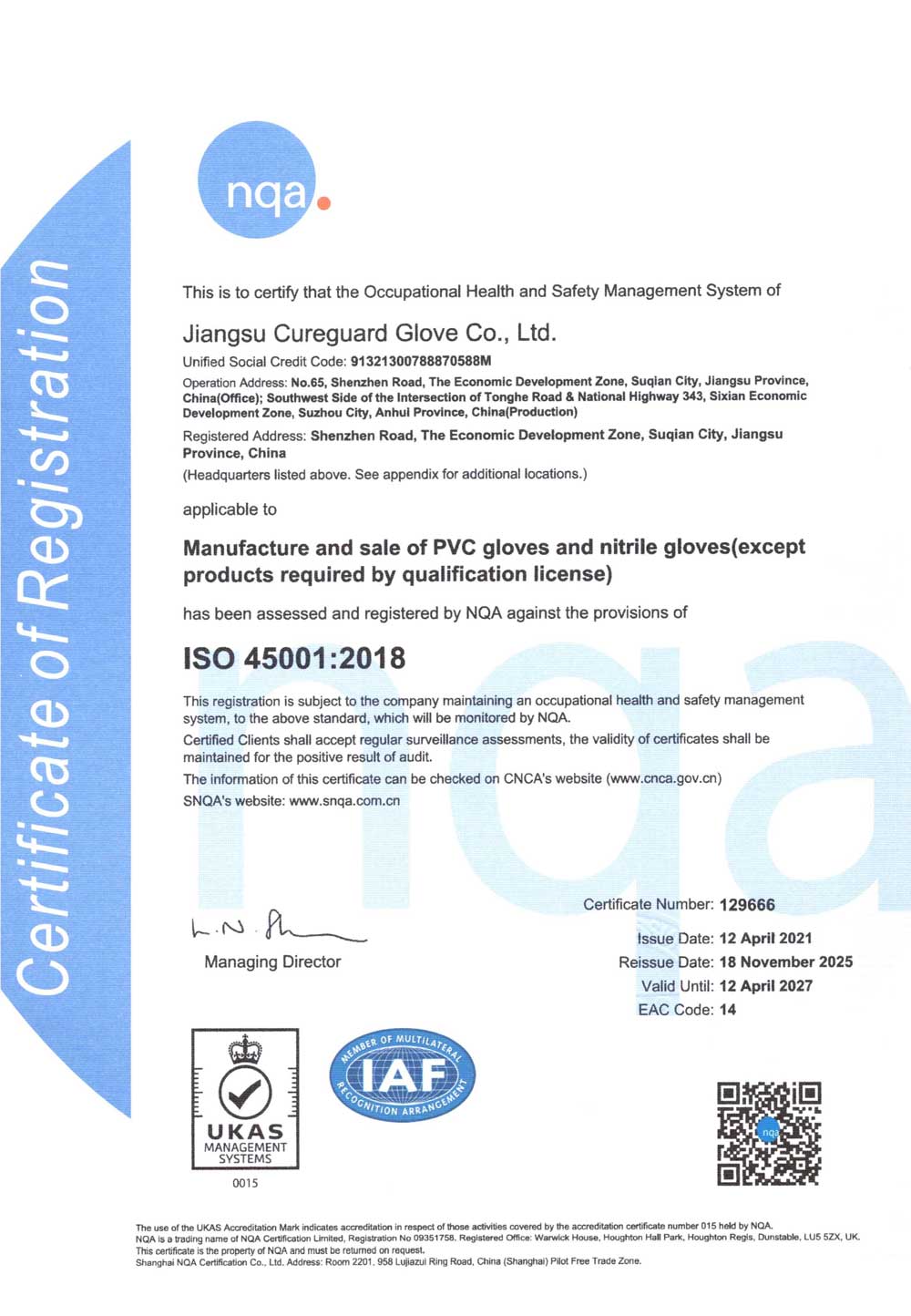
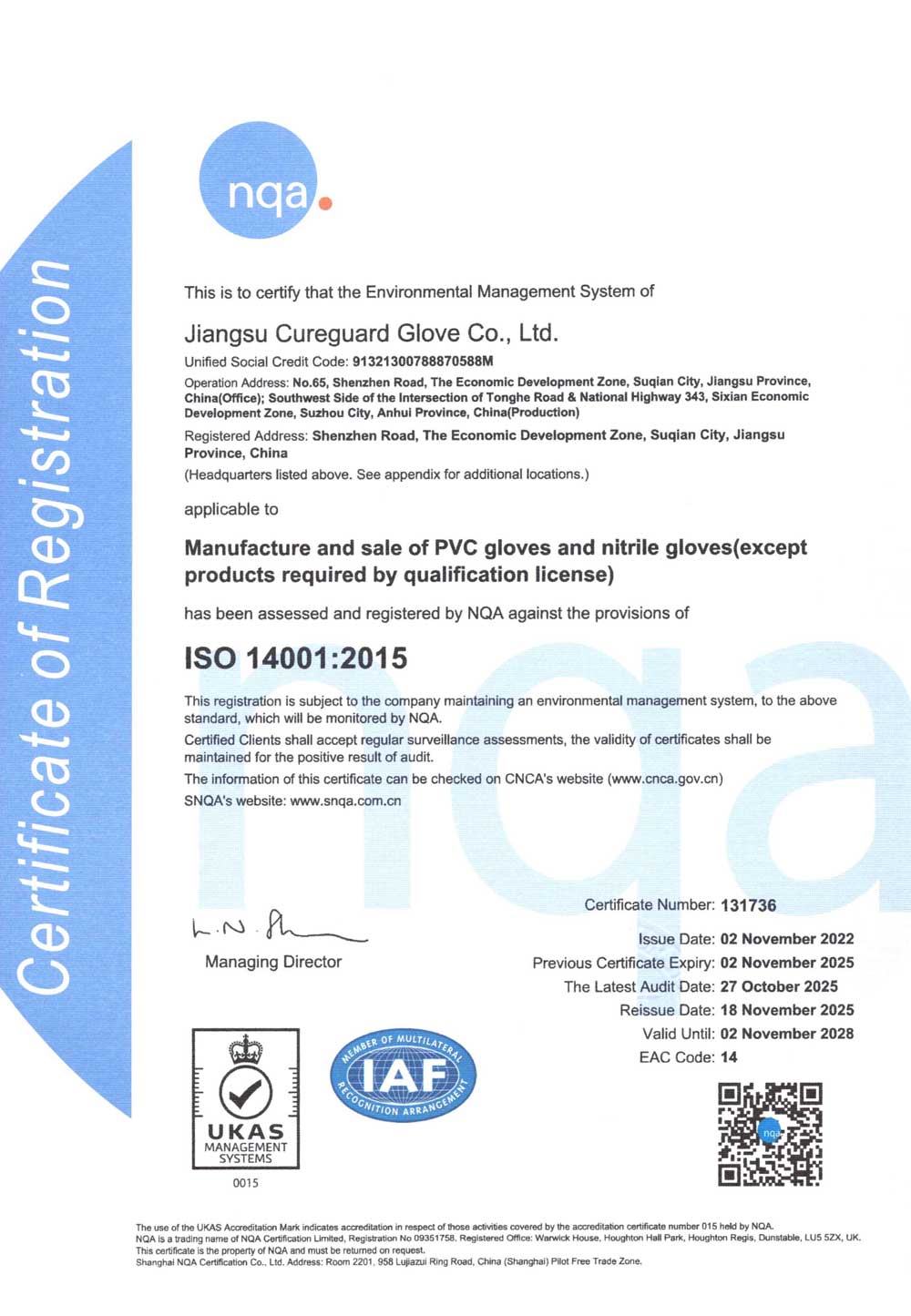
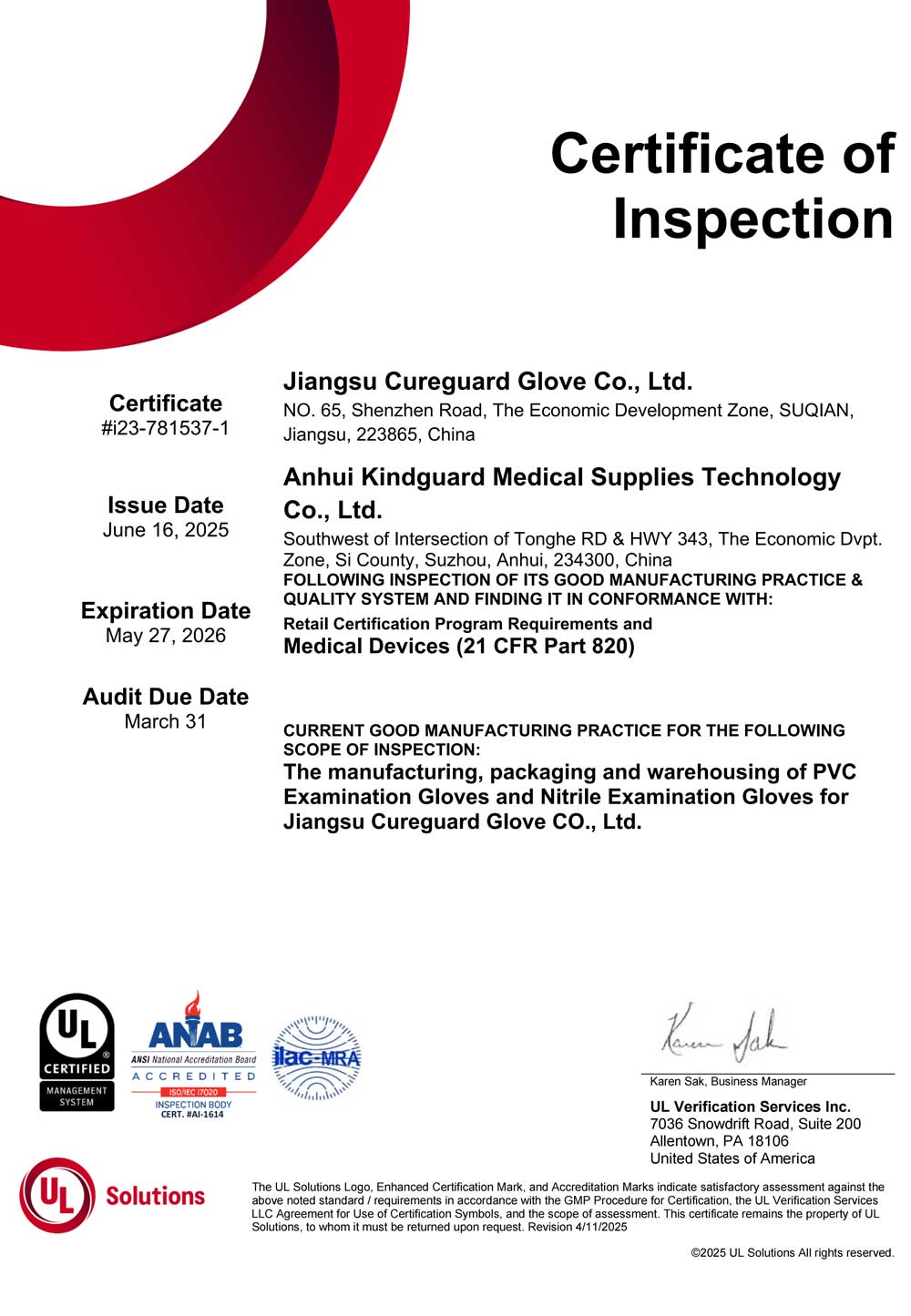
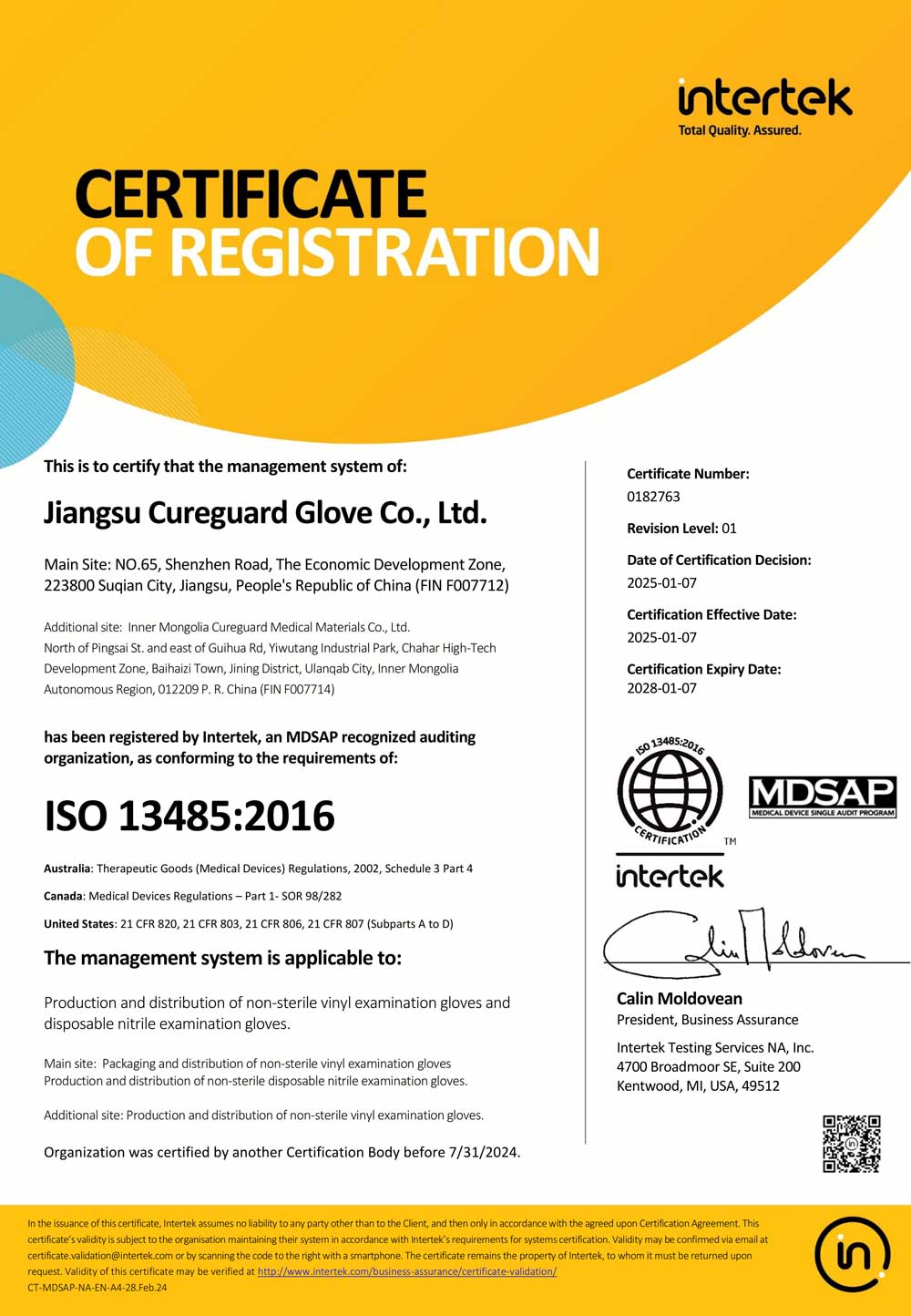
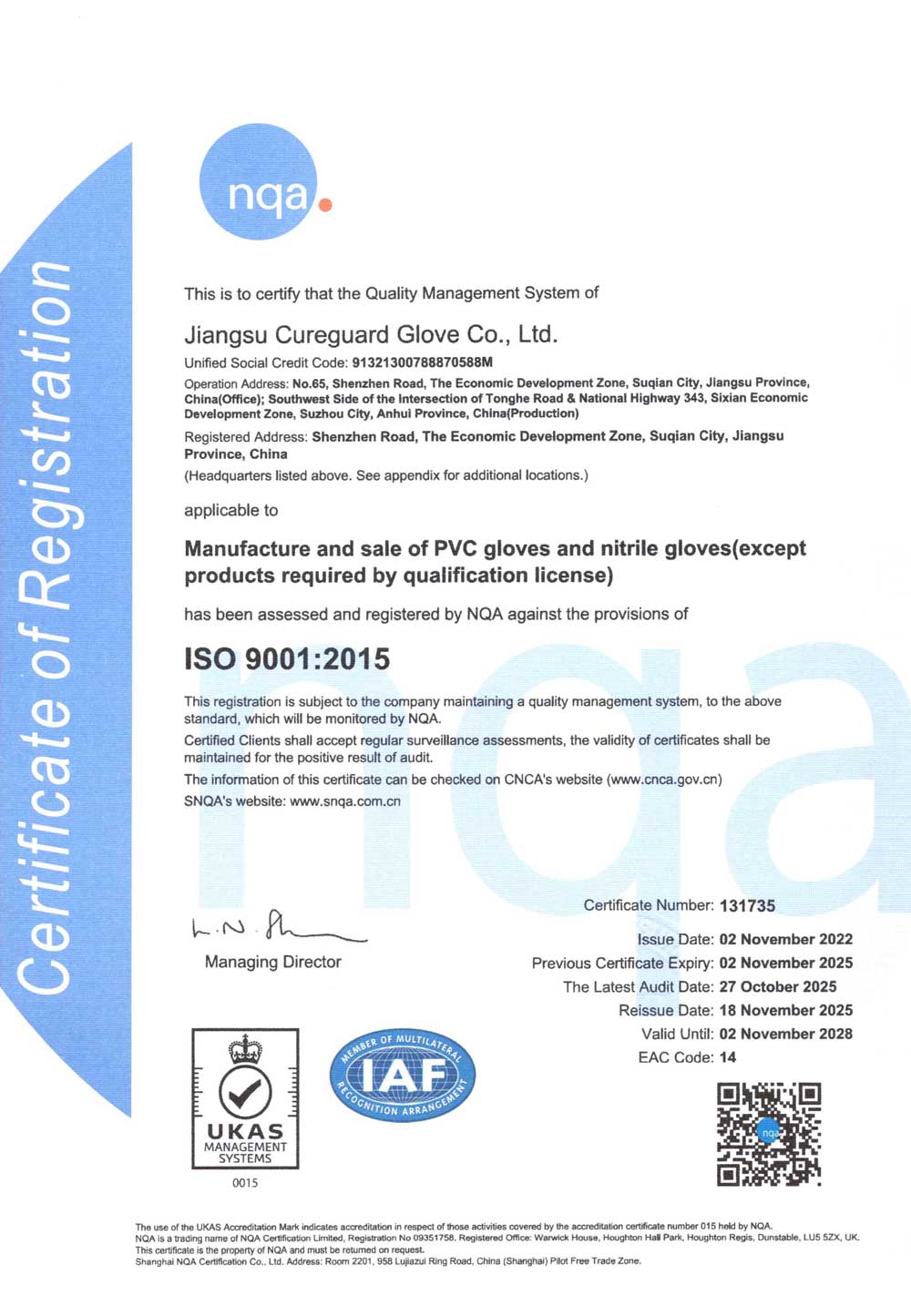
Stay informed with the latest insights on nitrile glove technology, laboratory safety standards, and industry developments.
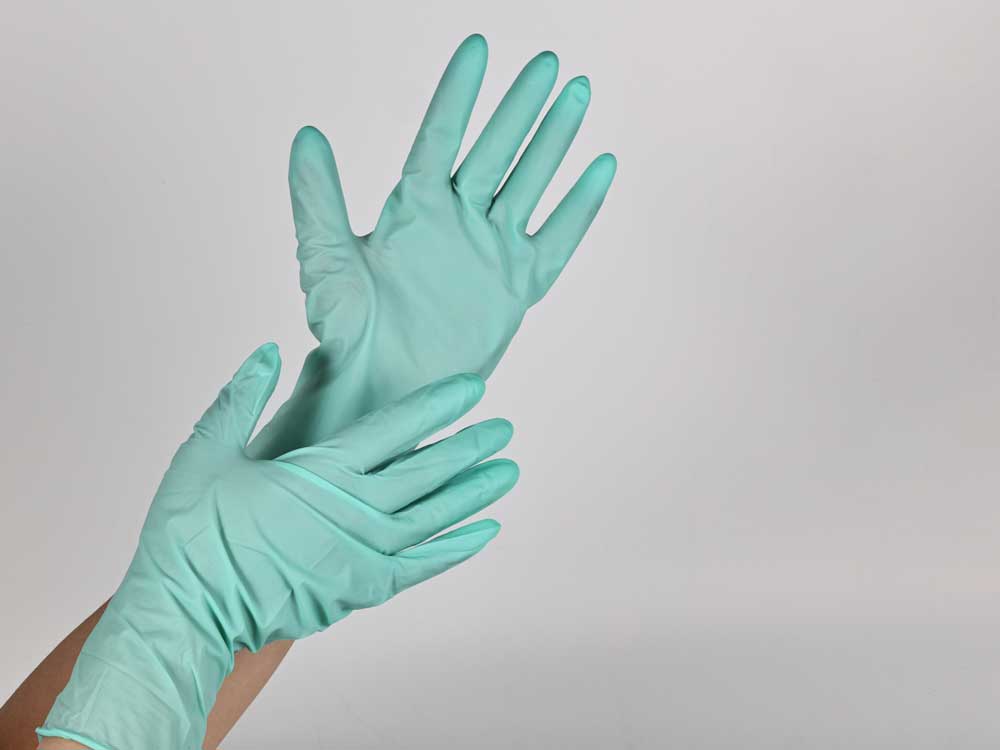
Medical staff wear nitrile gloves during surgery to prevent bacterial cross-infection. In the sterile environment of an operating theater, proper donning technique is as critical as glove material selection...
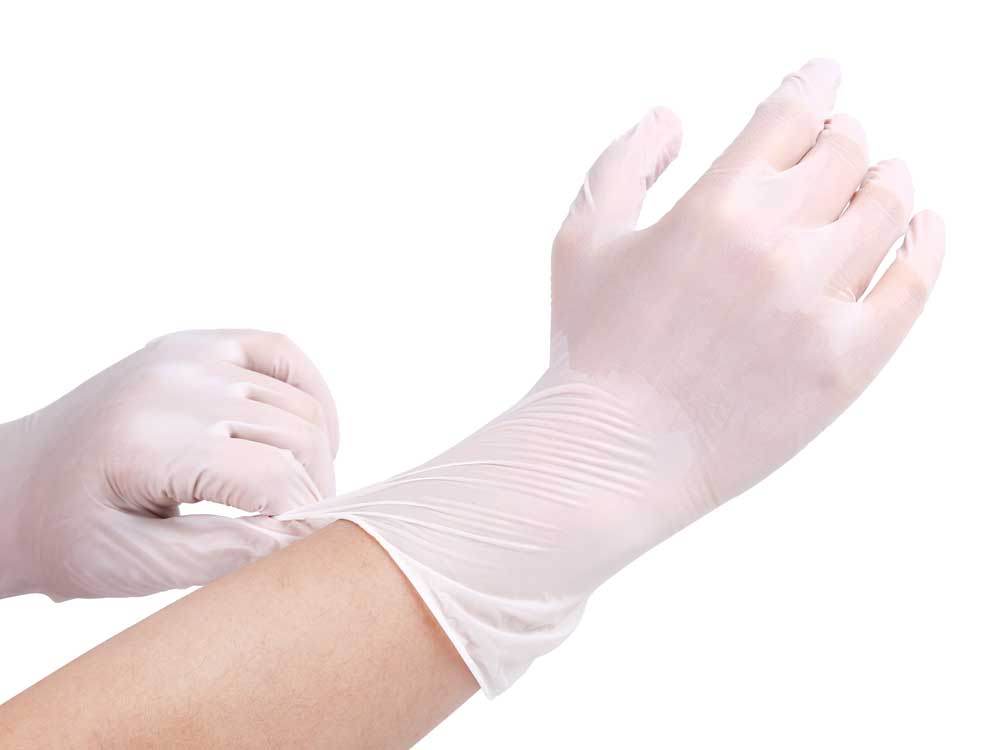
In the field of food processing, hand contact is one of the primary risk points for cross-contamination. Understanding the role of disposable gloves in maintaining food safety compliance...
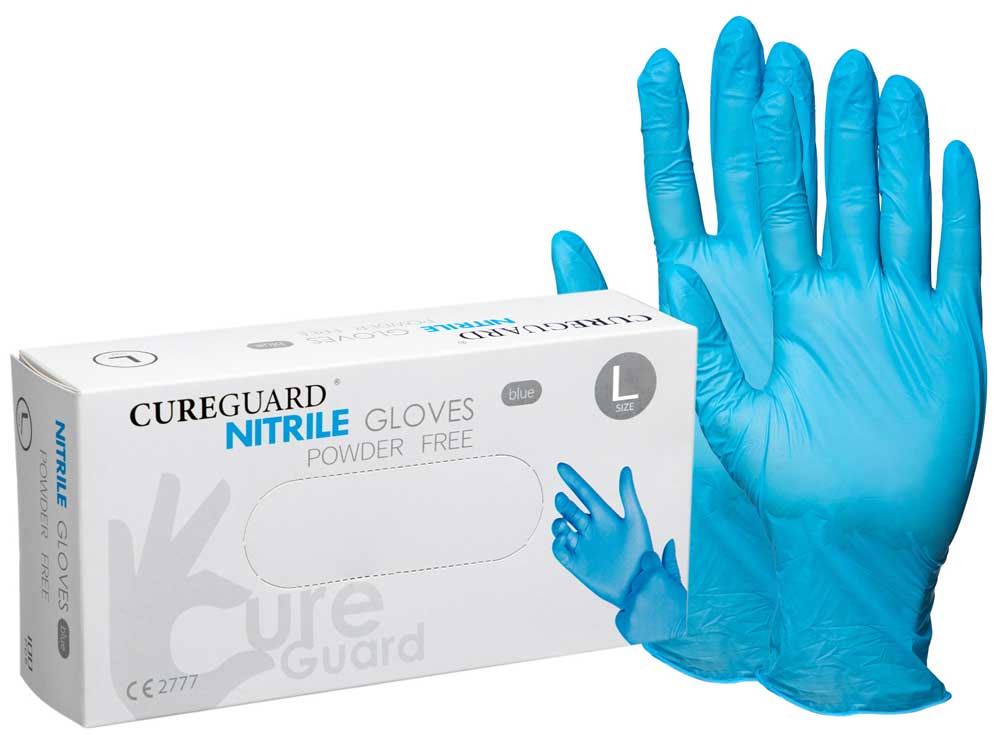
With the growing awareness of safety protection, the demand for protective equipment is showing significant growth across laboratory, food safety, and chemical industry sectors worldwide...
Browse our full range of certified protective gloves — engineered for laboratory research, chemical handling, food safety, and industrial applications.