
Leave Your Message
-
Contact Phone
-
 Contact Email
Superior chemical resistance, durability, and comfort — engineered for every household task and professional janitorial application.
Explore Our ProductsDiscover our top-rated nitrile rubber gloves — purpose-built for household cleaning tasks and professional janitorial services.
A deep-dive into performance, market trends, and real-world applications.
When it comes to maintaining hygiene and safety in both domestic environments and professional janitorial operations, the choice of protective glove matters enormously. Nitrile rubber gloves have rapidly emerged as the preferred solution, displacing traditional latex and vinyl alternatives across a wide range of cleaning and sanitation scenarios.
Nitrile — a synthetic copolymer of acrylonitrile and butadiene — delivers a compelling combination of chemical resistance, puncture strength, and tactile sensitivity. Unlike natural rubber latex, nitrile is entirely latex-free, eliminating the risk of Type I latex allergy reactions that affect a notable proportion of cleaning professionals. This alone has driven widespread adoption in both residential and commercial janitorial markets.
The global disposable gloves market was valued at over USD 14 billion in 2023 and is projected to grow at a CAGR exceeding 7% through 2030, with nitrile gloves accounting for the largest and fastest-growing segment. The home cleaning and janitorial services sector represents one of the most dynamic end-use verticals driving this growth.
Professional cleaning companies, facility management firms, hotel housekeeping departments, and industrial sanitation contractors collectively consume billions of nitrile gloves annually. Post-pandemic hygiene consciousness has permanently elevated glove usage norms across households and commercial cleaning operations alike. Regulatory requirements in food service, healthcare-adjacent environments, and industrial facilities have further institutionalized nitrile glove usage as standard operating procedure.
In North America and Europe, large janitorial service providers now specify nitrile gloves in their standard procurement contracts, citing superior durability and chemical resistance versus vinyl alternatives. The Asia-Pacific region, led by China, is both the dominant production hub and a rapidly expanding consumption market, as urbanization drives demand for professional cleaning services.
The technical superiority of nitrile rubber in cleaning contexts stems from several intrinsic material properties:
Chemical Resistance: Nitrile withstands exposure to a broad spectrum of household and industrial cleaning agents — including bleach-based disinfectants, acidic descalers, alkaline degreasers, and solvent-based surface cleaners — without degradation or permeation. This is critical for workers who routinely handle concentrated cleaning chemicals.
Puncture & Abrasion Resistance: Nitrile gloves are approximately three times more puncture-resistant than latex gloves of equivalent thickness. For janitorial workers handling broken glass, sharp debris, or rough surfaces, this translates directly to reduced injury risk.
Durability & Extended Wear: Higher-mil nitrile formulations maintain integrity through extended cleaning tasks, reducing the frequency of glove changes and lowering per-task cost. Powder-free variants eliminate residue contamination on cleaned surfaces.
Comfort & Dexterity: Modern nitrile gloves are engineered with ergonomic hand contouring and micro-textured fingertips, enabling confident grip on wet or slippery surfaces — a daily requirement in bathroom, kitchen, and floor cleaning tasks.
Three pillars that make nitrile the definitive glove material for cleaning and janitorial professionals.
Engineered to resist bleach, acids, alkalis, and industrial solvents commonly used in professional cleaning and sanitation workflows — protecting hands through every task.
Nitrile's molecular structure provides outstanding resistance to punctures and abrasions, reducing injury risk when handling sharp debris, broken glass, or rough cleaning tools.
100% synthetic formulation eliminates Type I latex allergy risk — a critical requirement for professional janitorial teams and sensitive household users alike.
How innovation and market forces are shaping the next generation of nitrile gloves for cleaning and janitorial services.
Leading manufacturers are investing in accelerated biodegradation technologies for nitrile gloves, addressing end-of-life environmental concerns. New formulations are designed to break down significantly faster in landfill conditions without compromising in-use performance — a growing procurement criterion for eco-conscious cleaning companies and facility managers.
Next-generation nitrile gloves are being developed with integrated antimicrobial inner and outer surface treatments, providing an additional layer of protection against pathogen transfer. This is particularly relevant for janitorial services in healthcare-adjacent environments, schools, and high-traffic public facilities.
B2B e-commerce platforms and facility management software are enabling automated glove replenishment based on usage data. Large janitorial contractors are adopting subscription-based supply agreements that guarantee consistent nitrile glove quality, reduce procurement overhead, and ensure uninterrupted supply chain continuity.
The market is segmenting further, with demand growing for task-specific nitrile gloves — ultra-thin (3 mil) for fine cleaning detail work, standard (4–5 mil) for general household use, and heavy-duty (6–8 mil) for industrial janitorial and chemical handling applications. Product differentiation is accelerating across all price points.
From everyday household chores to demanding commercial janitorial operations — nitrile gloves deliver targeted protection across every context.
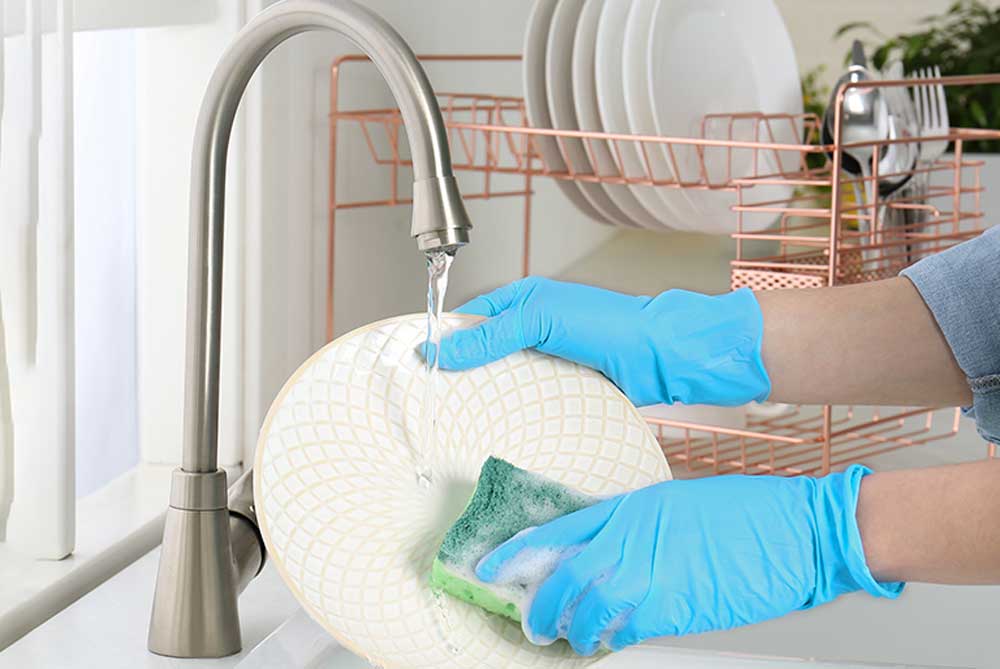
Daily exposure to grease, food residue, mold removers, and disinfectants makes nitrile the ideal glove for domestic cleaning tasks. Textured fingertips ensure secure grip on wet surfaces and slippery utensils.
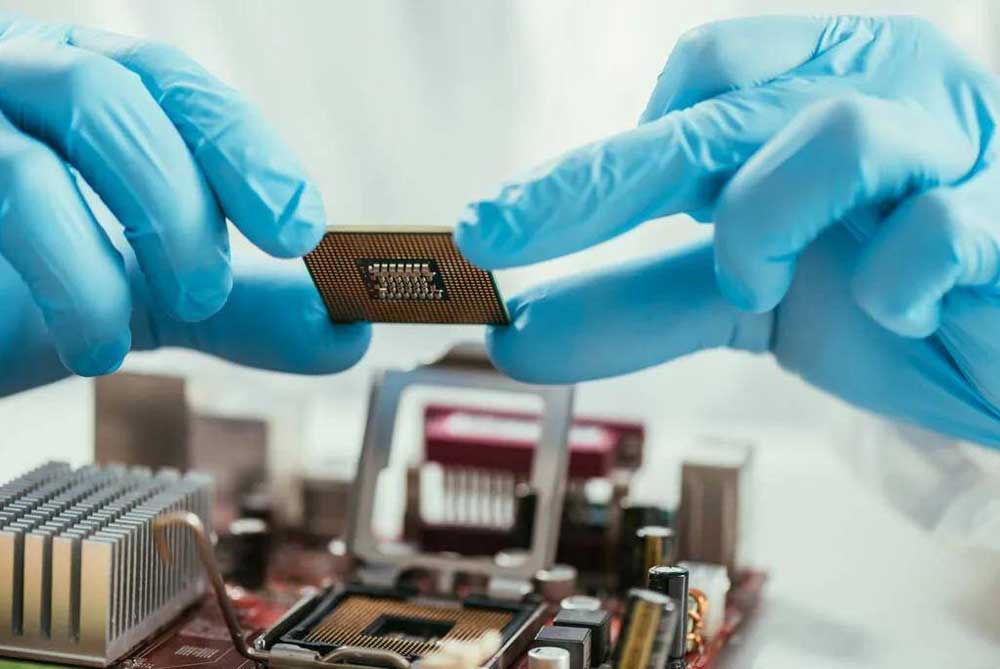
Facility cleaning crews working in manufacturing plants, warehouses, and commercial kitchens require heavy-duty nitrile gloves capable of withstanding industrial degreasers, caustic solutions, and extended wear periods.
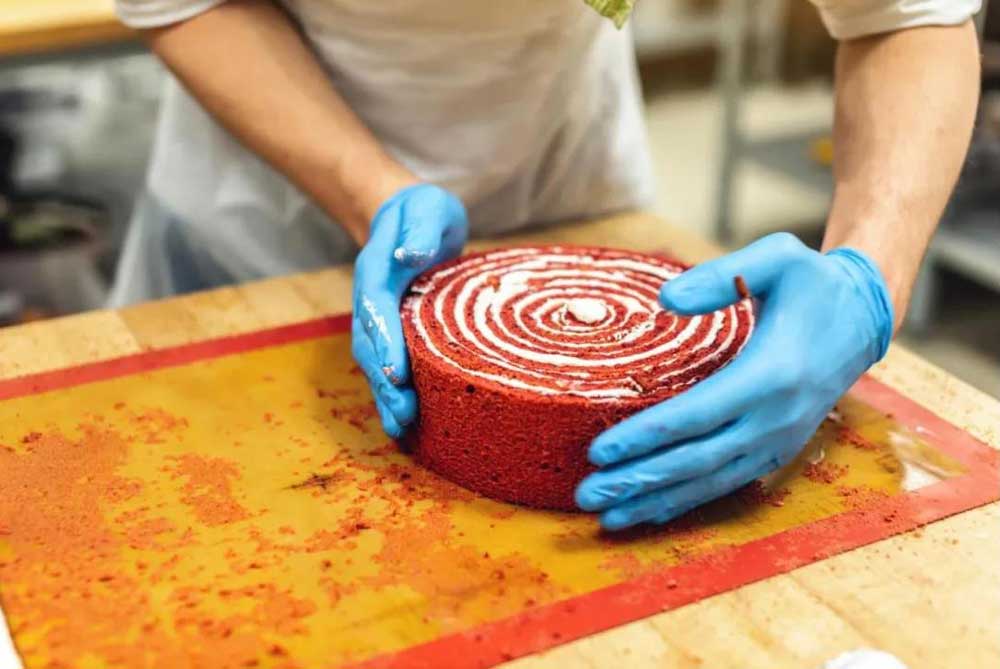
Restaurant and food processing facility cleaning staff rely on food-grade nitrile gloves that meet regulatory standards for incidental food contact while providing full protection against cleaning chemical exposure during post-service sanitation.
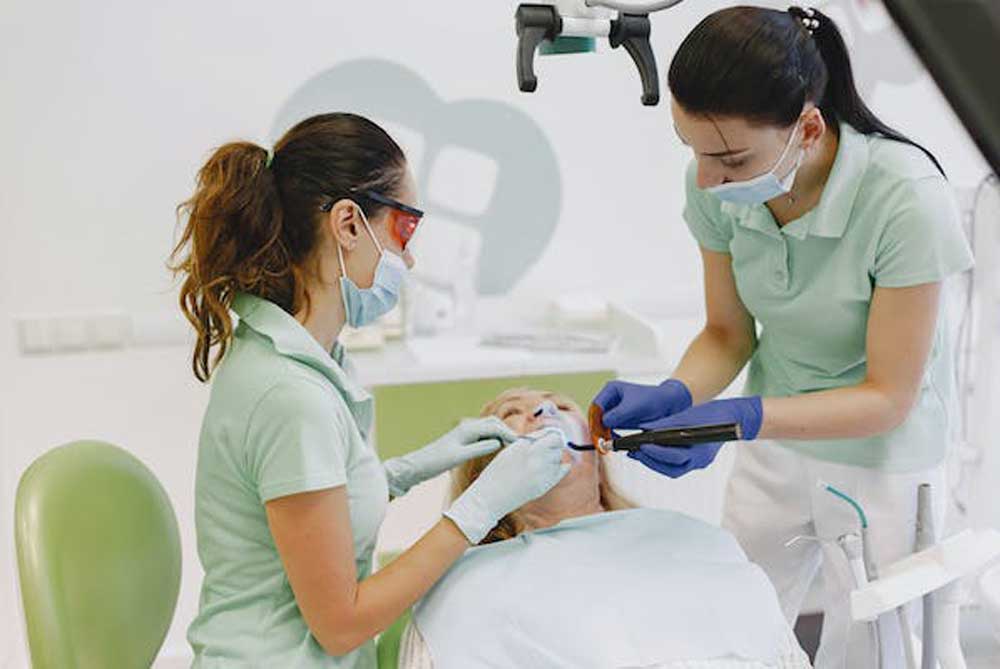
Hospital and clinic housekeeping teams demand medical-grade nitrile gloves that provide dual protection: barrier integrity against pathogens and resistance to the concentrated disinfectants used in clinical environment cleaning protocols.
Professional janitorial service providers operate under strict health and safety regulations that mandate appropriate PPE for all cleaning tasks. Nitrile gloves sit at the intersection of regulatory compliance and operational efficiency. OSHA guidelines in the United States, EN 374 standards in Europe, and equivalent frameworks globally specify chemical protective glove requirements that nitrile formulations are uniquely positioned to satisfy.
For janitorial contractors managing multi-site operations, the total cost of ownership of nitrile gloves — factoring in durability, reduced replacement frequency, and worker injury prevention — consistently outperforms cheaper vinyl alternatives. A single worker injury from chemical exposure or puncture can incur costs far exceeding the annual glove budget differential between nitrile and vinyl.
Hotel housekeeping departments represent another major application vertical. The combination of laundry chemicals, bathroom disinfectants, and high-frequency task repetition demands a glove that maintains comfort and protection across an entire shift. Modern nitrile gloves with ergonomic fit and breathable formulations have become the standard specification for leading hospitality chains worldwide.
Choosing the optimal nitrile glove requires matching product specifications to task requirements. Key selection criteria include: glove thickness (mil gauge) relative to chemical exposure severity; textured versus smooth finish based on grip requirements; cuff length for applications involving immersion or splash exposure; and color coding for cross-contamination prevention in multi-zone cleaning protocols.
Cureguard's nitrile glove range is engineered to address this full spectrum of requirements, offering products optimized for household use, food contact, medical examination, and industrial applications — all manufactured under rigorous quality management systems and certified to international standards.
Our most trusted gloves for home cleaning, janitorial services, and beyond — chosen by professionals worldwide.
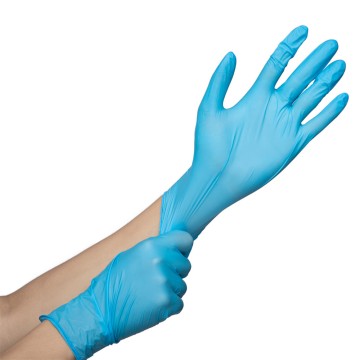
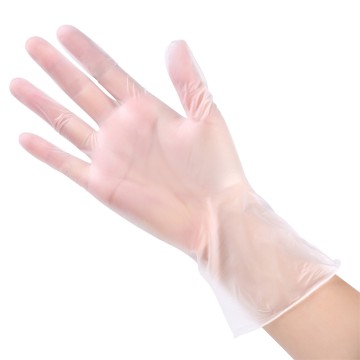
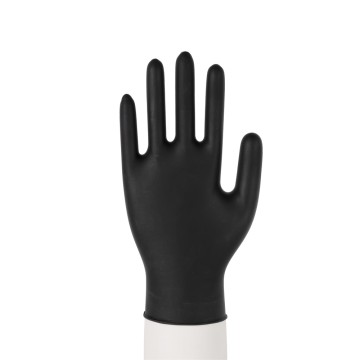
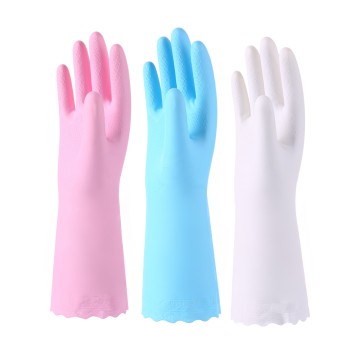
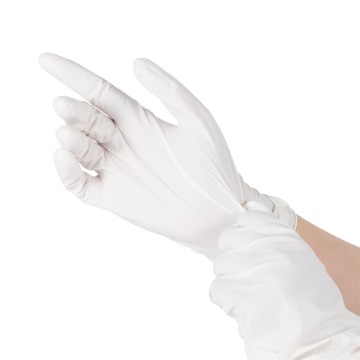
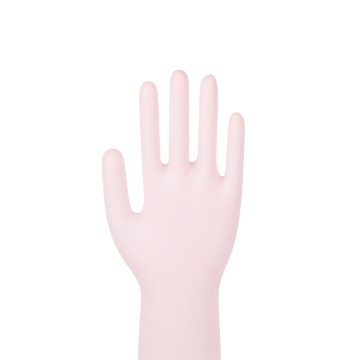
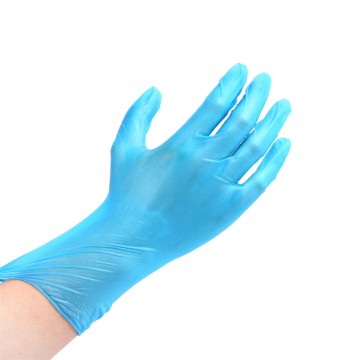
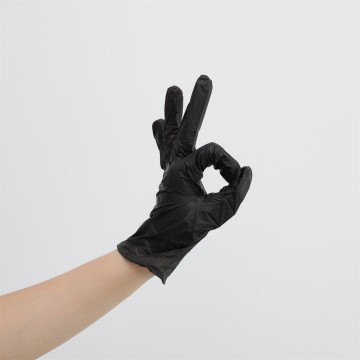
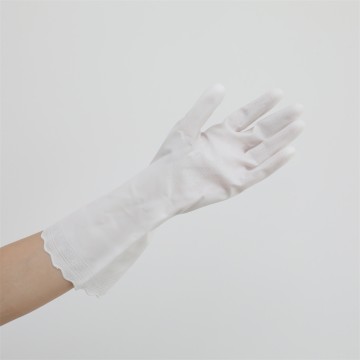
Established in 2006 and headquartered in Jiangsu Province, China, Cureguard Glove Group is specialized in glove manufacturing for over 20 years.
We own over 60 production lines dedicated to disposable vinyl and nitrile gloves, and reusable vinyl gloves with an annual output exceeding 10 billion pieces. We supply various kinds of gloves to customers in more than 100 countries and regions worldwide.
We roll out different series of products to address various routine scenario needs, such as medical examination, food contact, electronic industry, household use.
Click View More 2006
2006
 5
5
 60
60
 10B
10B

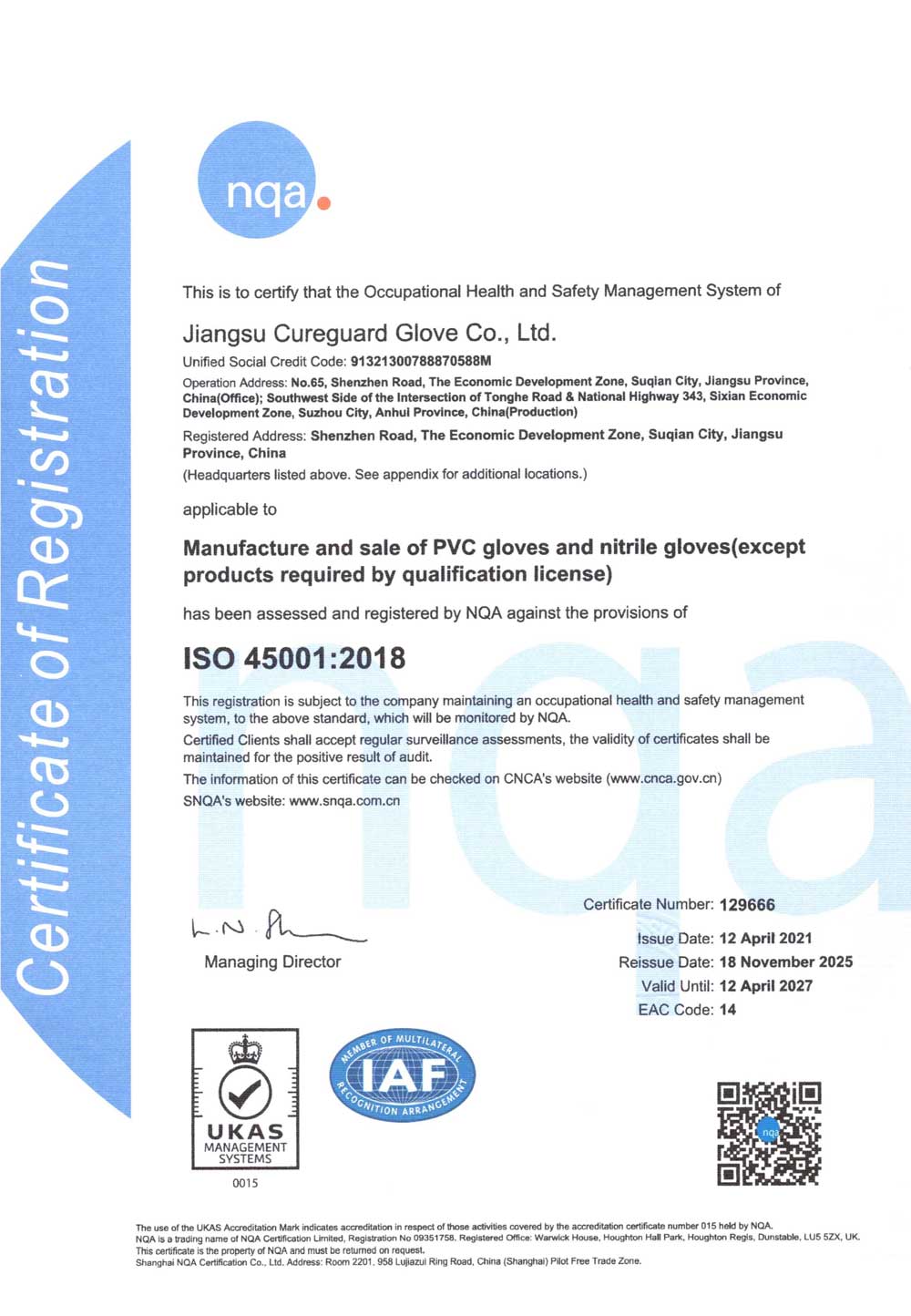
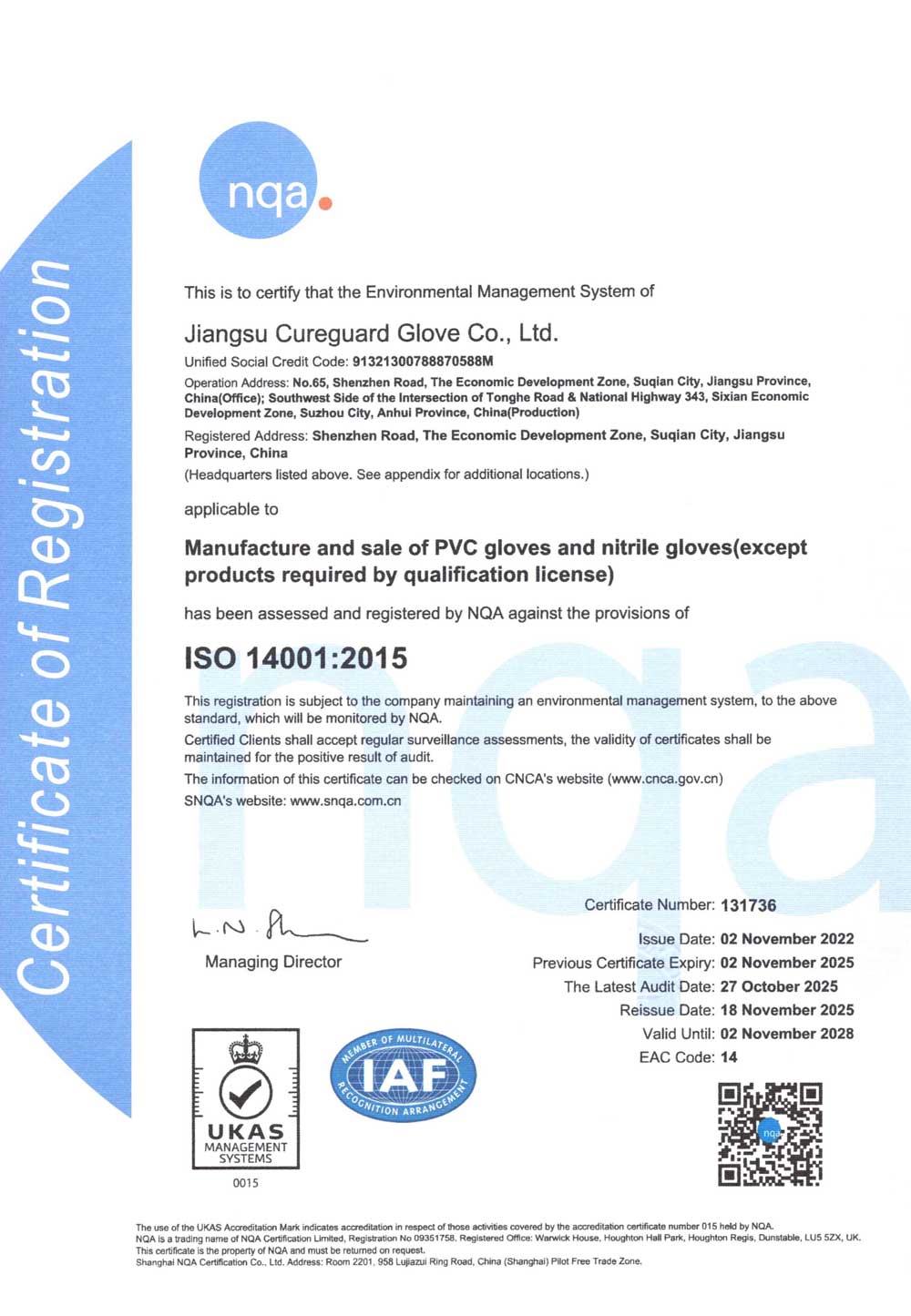
Internationally recognized quality and safety certifications backing every glove we manufacture.
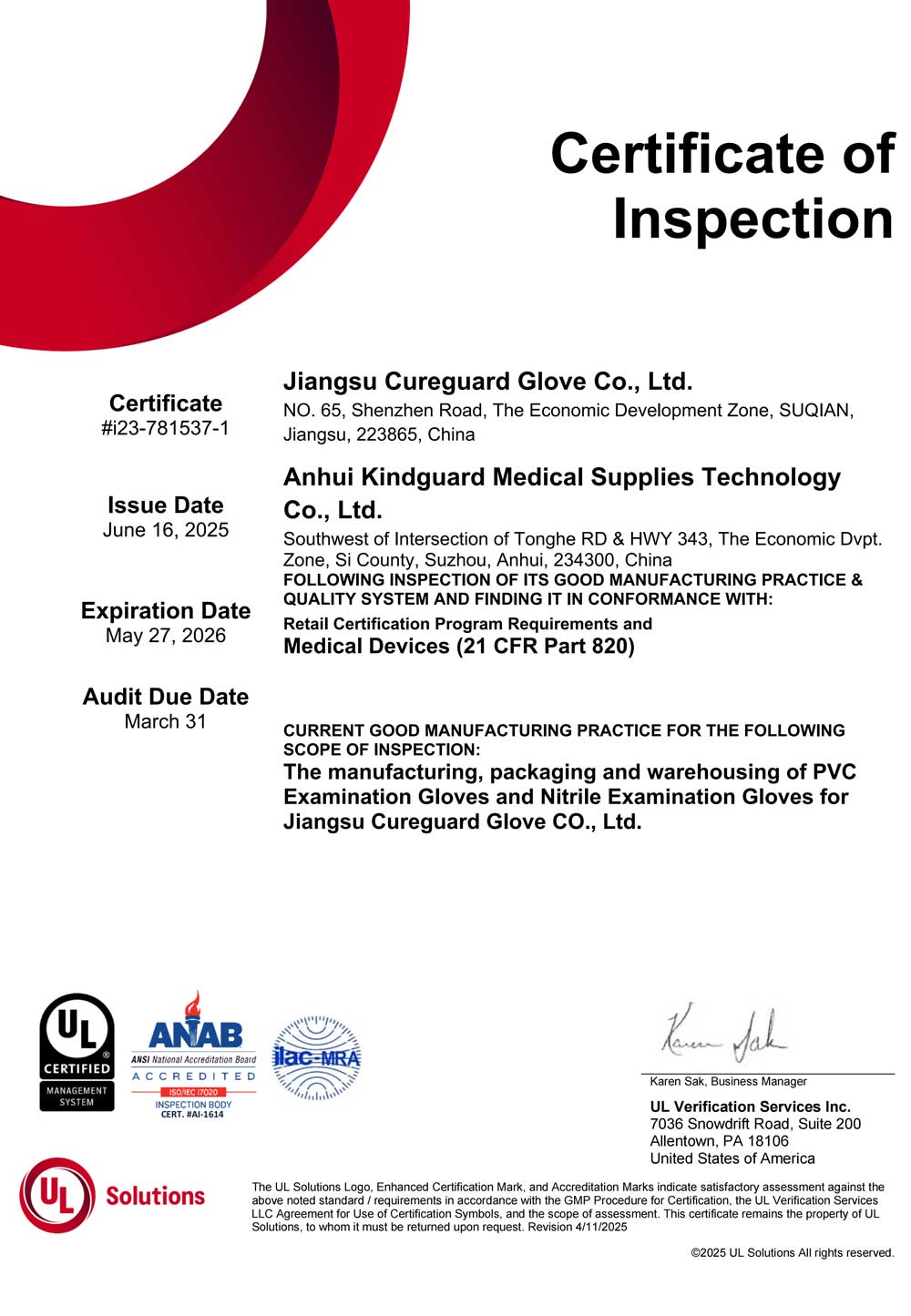
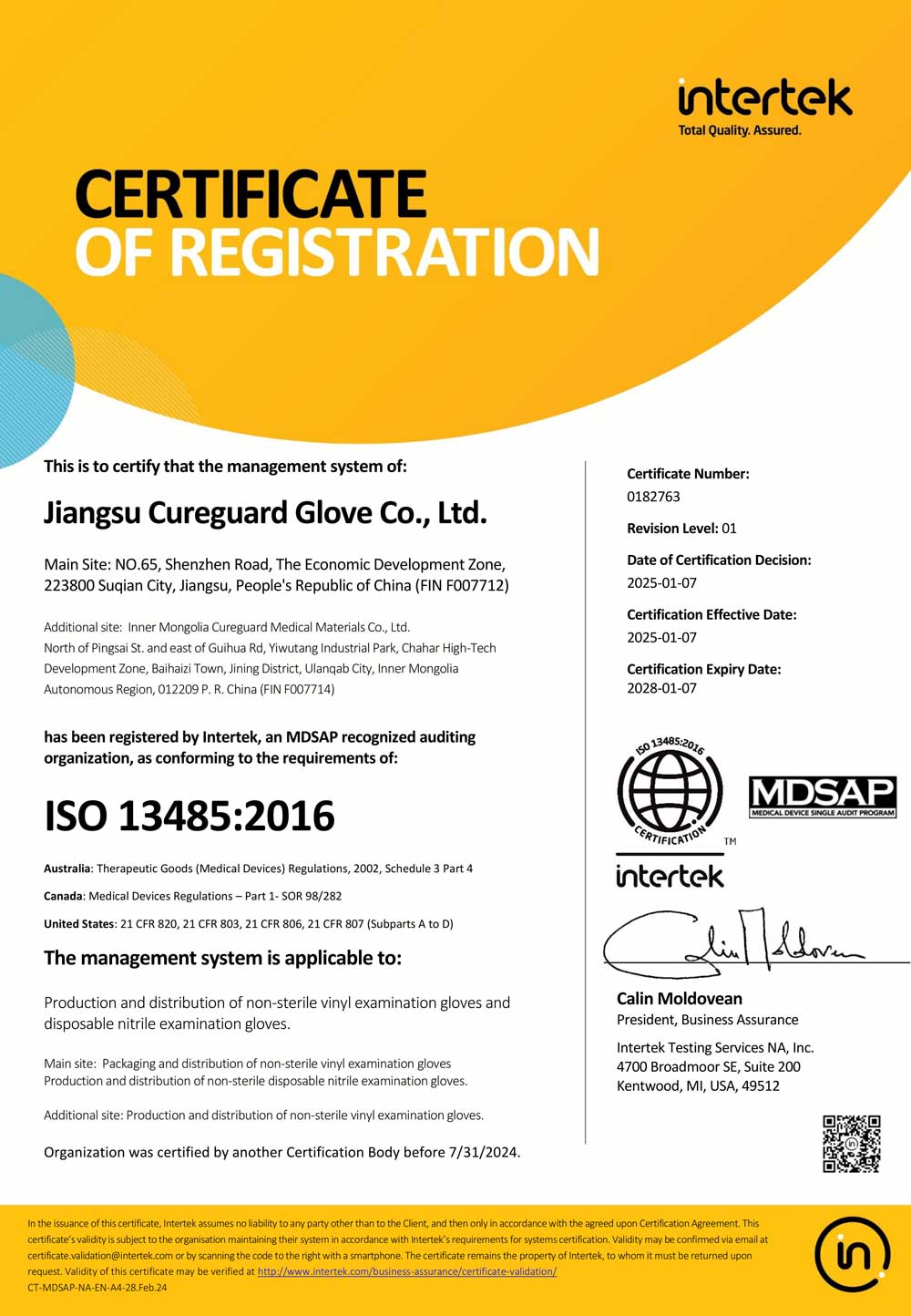
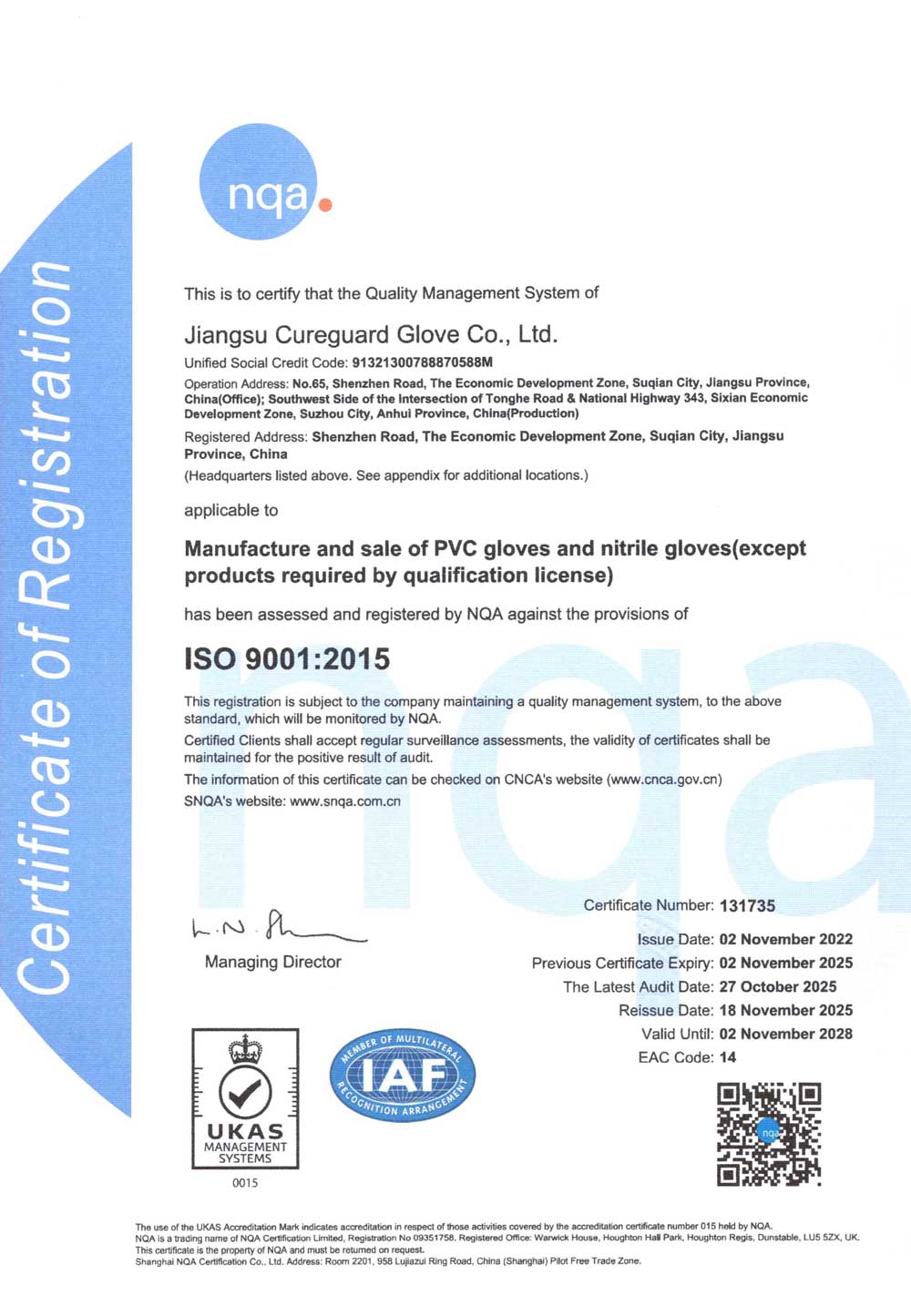
Nitrile gloves engineered for every professional and domestic scenario — from clinical settings to home cleaning tasks.
Nitrile gloves provide critical barrier protection for medical examinations, clinical procedures, and healthcare facility housekeeping. Their chemical resistance and puncture strength meet stringent medical-grade standards worldwide.
Learn MoreFood-safe nitrile gloves protect workers during food preparation, processing, and post-service cleaning. Powder-free formulations prevent contamination while meeting food contact material regulations.
Learn MoreIndustrial nitrile gloves deliver robust protection for electronics manufacturing, chemical handling, and facility maintenance. Their resistance to solvents and abrasion makes them indispensable in demanding industrial cleaning environments.
Learn MoreIn home life, hygiene and convenience are equally important when cleaning the kitchen, handling ingredients, or caring for children or pets. Gloves for daily scenarios, are made from safe materials and feature thoughtful details to serve as the first line of defense for your family's health.
Learn More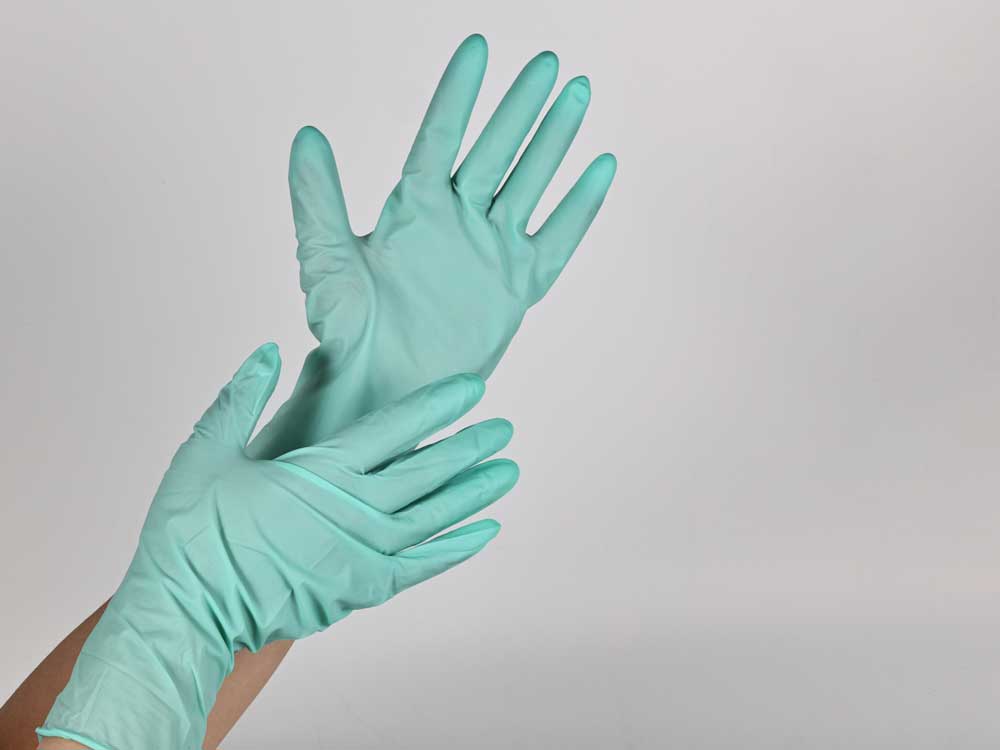
Medical staff wear nitrile gloves during surgery to prevent bacterial cross-infection. In the surgical environment, proper donning technique is as critical as glove quality itself.
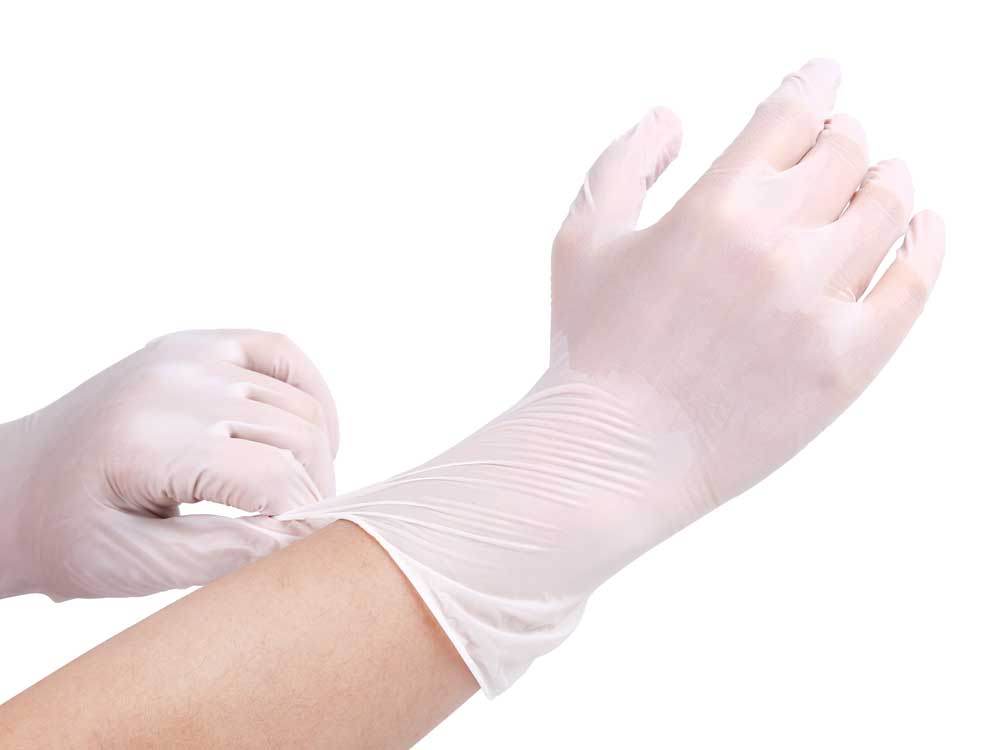
In the field of food processing, hand contact is one of the primary risk points for cross-contamination. Disposable gloves form the essential first line of defense.
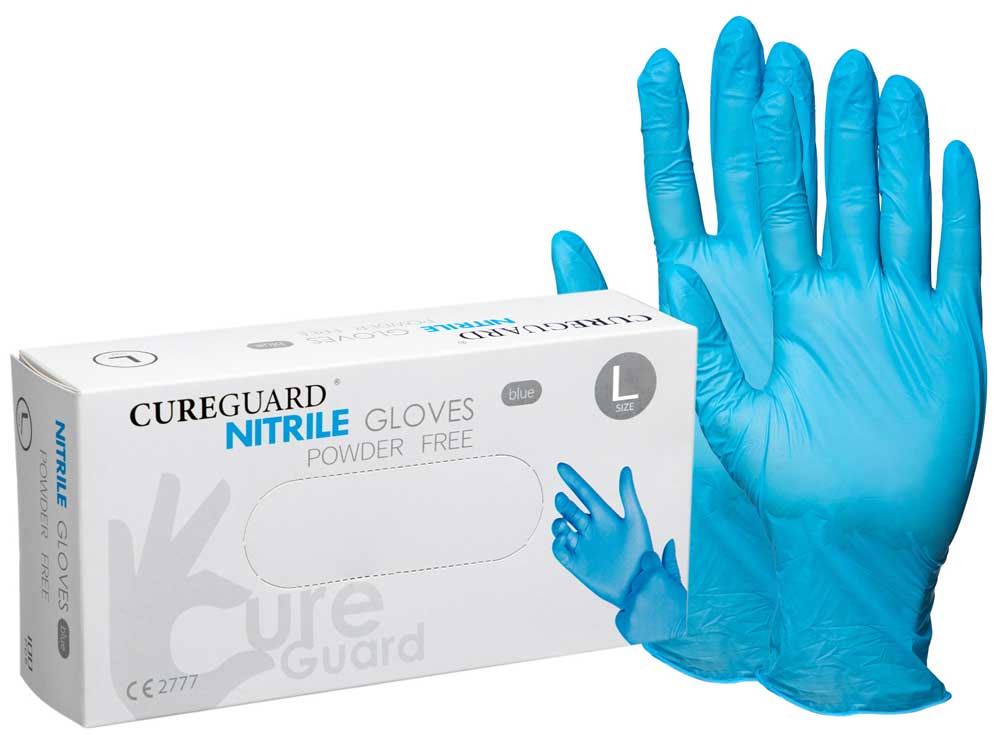
With the growing awareness of safety protection, the demand for protective equipment is showing strong and sustained growth across all major markets and industries.
Explore our full range of protective gloves — engineered for every cleaning, sanitation, and hygiene application.